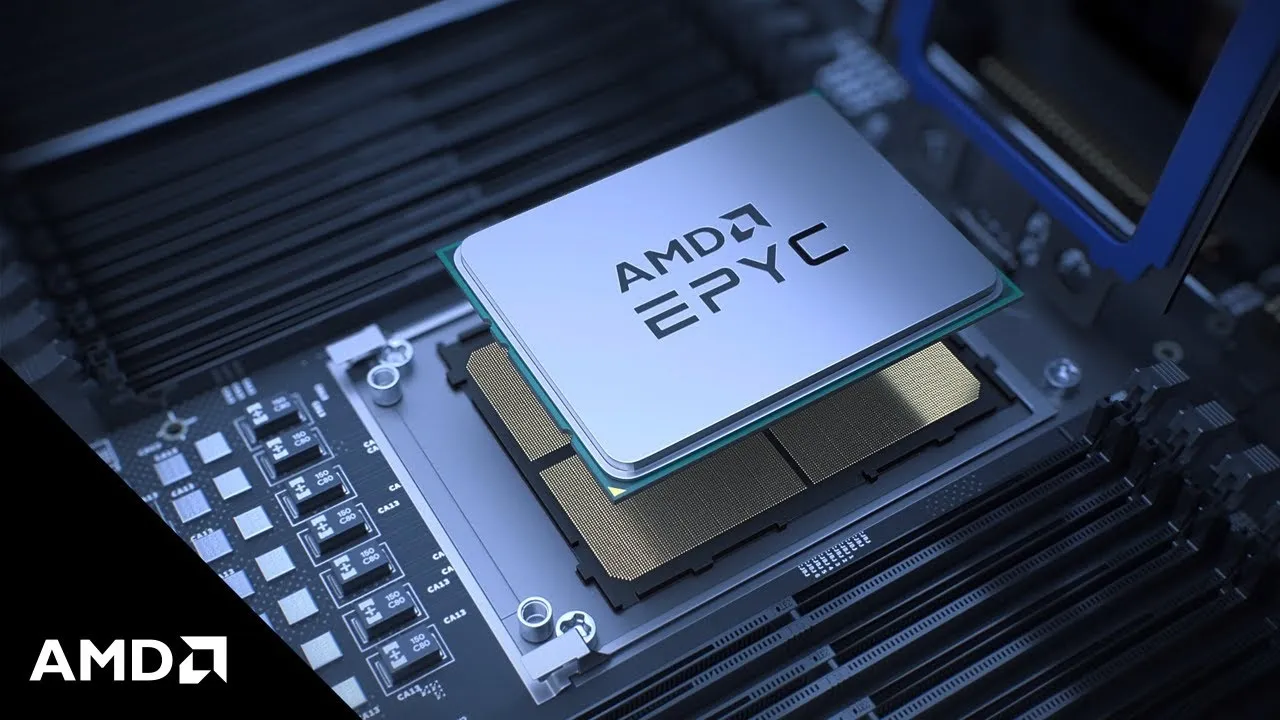
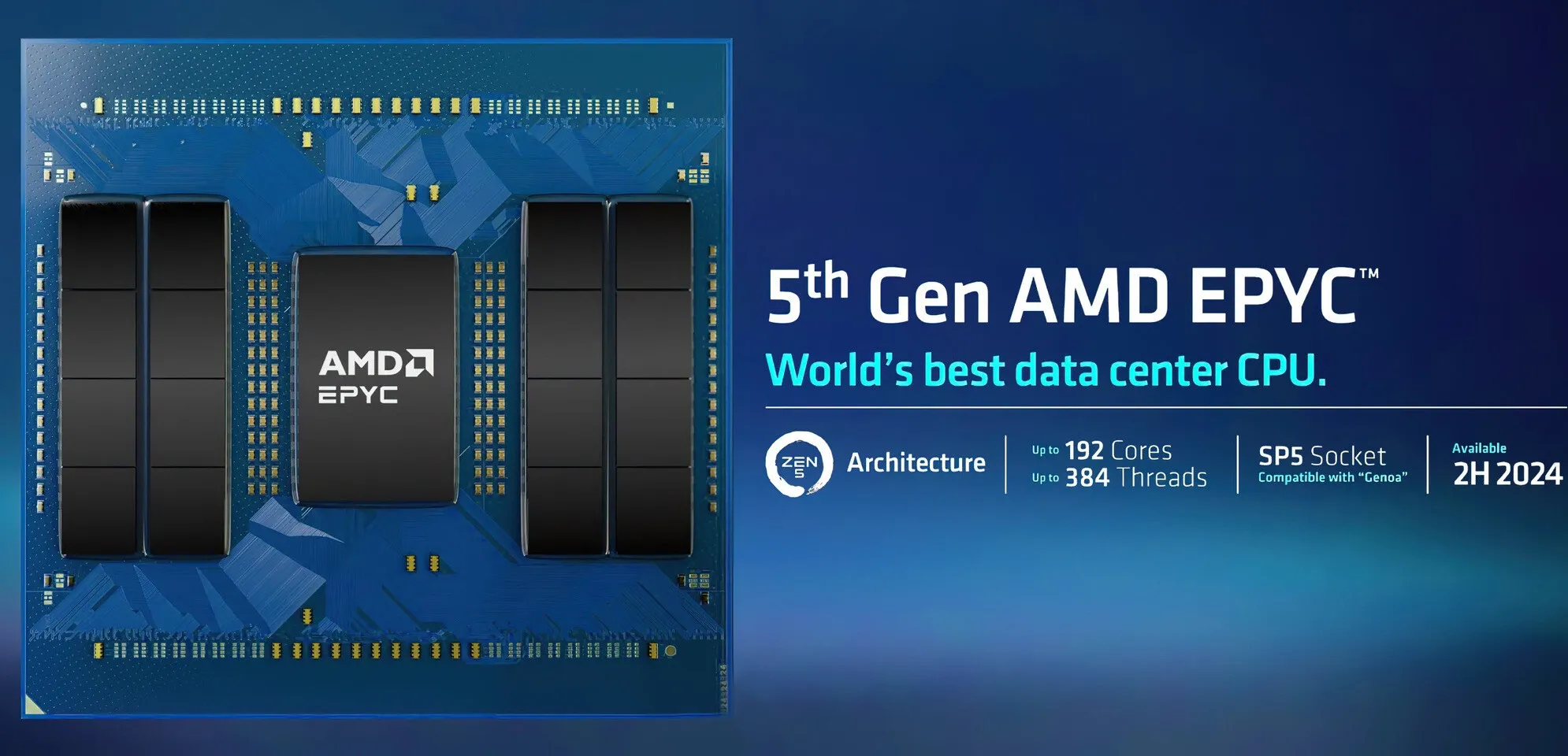
AMD's relentless innovation with the 5th Gen EPYC "Turin" processors has brought intriguing features to the forefront, including L3 Smart Data Cache Injection (SDCI) and PCIe TLP Processing Hints (TPH).
These advancements aim to optimize data processing and redefine system performance.
Recently, AMD engineers made significant progress toward integrating these features into the mainline Linux kernel, marking a milestone in server computing.
What is L3 Smart Data Cache Injection?
L3 Smart Data Cache Injection (SDCI) is a cutting-edge mechanism designed to enhance system efficiency by directly injecting data from I/O devices into the CPU's L3 cache.
This avoids the conventional route of transferring data to DRAM first, leading to two key benefits:
-
Reduced DRAM Bandwidth Usage: By bypassing DRAM, SDCI frees up bandwidth for other tasks.
-
Lower Latency: Directly storing I/O data in the L3 cache accelerates the processor's access to it.
When combined with PCIe TLP Processing Hints (TPH), SDCI amplifies its potential, leveraging the PCIe infrastructure to streamline data flows and further reduce overhead.
Linux Kernel Integration of SDCIAE
To fully harness the capabilities of SDCI, AMD is implementing Smart Data Cache Injection Allocation Enforcement (SDCIAE) in the Linux kernel's resource control (resctrl) infrastructure.
This allows system administrators to manage how much of the L3 cache is allocated to SDCI devices.
A recent v2 patch series submitted by AMD Linux engineers provides insight into the progress:
"This series adds the support for L3 Smart Data Cache Injection Allocation Enforcement (SDCIAE) to the resctrl infrastructure... allowing system software to control the portion of the L3 cache used for SDCI devices."
Key Features of SDCIAE:
-
Cache Partitioning: SDCIAE enables system software to restrict SDCI to specific L3 cache partitions, ensuring optimal cache utilization.
-
Improved Predictability: By enforcing SDCI allocation, system administrators gain more control over cache behavior, particularly in multi-tenant environments where resource predictability is crucial.
The Road to Mainline Linux Adoption
The initial SDCIAE patches were introduced in August, but AMD has since refined the implementation. The v2 patches include:
-
Code optimizations and renaming of certain elements.
-
Adjustments for better compatibility with the Linux kernel's architecture.
-
Enhanced clarity in managing SDCI resources.
While the v2 updates represent significant progress, further iterations may still be required to meet the rigorous standards of the mainline Linux kernel.
These efforts reflect AMD's commitment to ensuring robust support for cutting-edge features.
Why It Matters
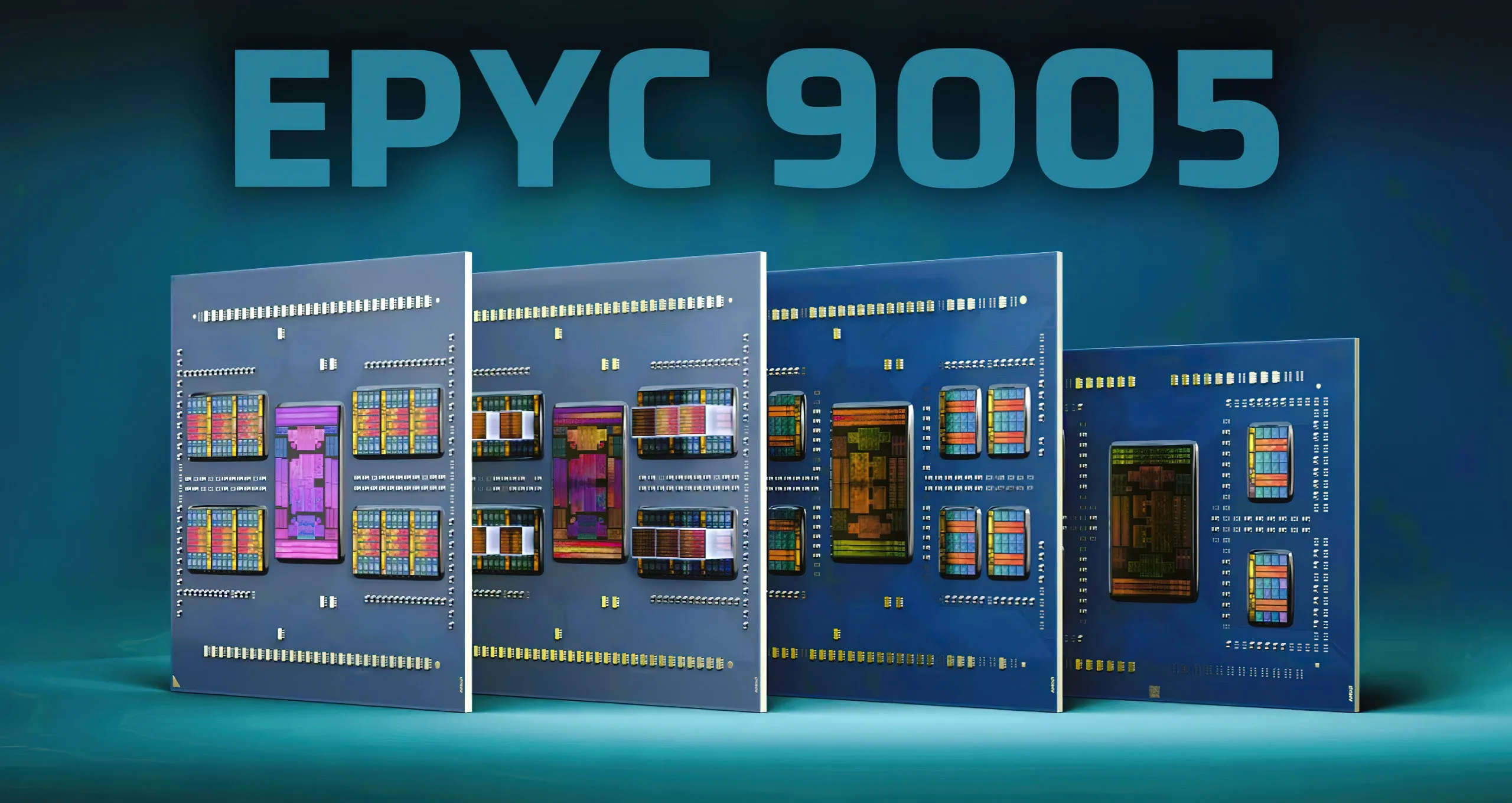
The SDCI and SDCIAE features of AMD's EPYC 9005 "Turin" processors represent a leap forward in server performance.
By minimizing DRAM dependencies and lowering latencies, these features are poised to benefit a wide range of applications, including:
-
High-performance computing (HPC): Faster data processing for simulations and analytics.
-
Cloud computing: More efficient resource utilization in multi-tenant environments.
-
Data-intensive workloads: Enhanced performance for AI, ML, and big data applications.
AMD's innovations with the EPYC 9005 "Turin" processors continue to push the boundaries of server technology.
The integration of L3 Smart Data Cache Injection and Allocation Enforcement into the Linux kernel underscores AMD’s dedication to open-source collaboration and advancing enterprise computing.
As these patches move closer to mainline adoption, the server and cloud computing ecosystems can anticipate a transformative leap in efficiency and performance.